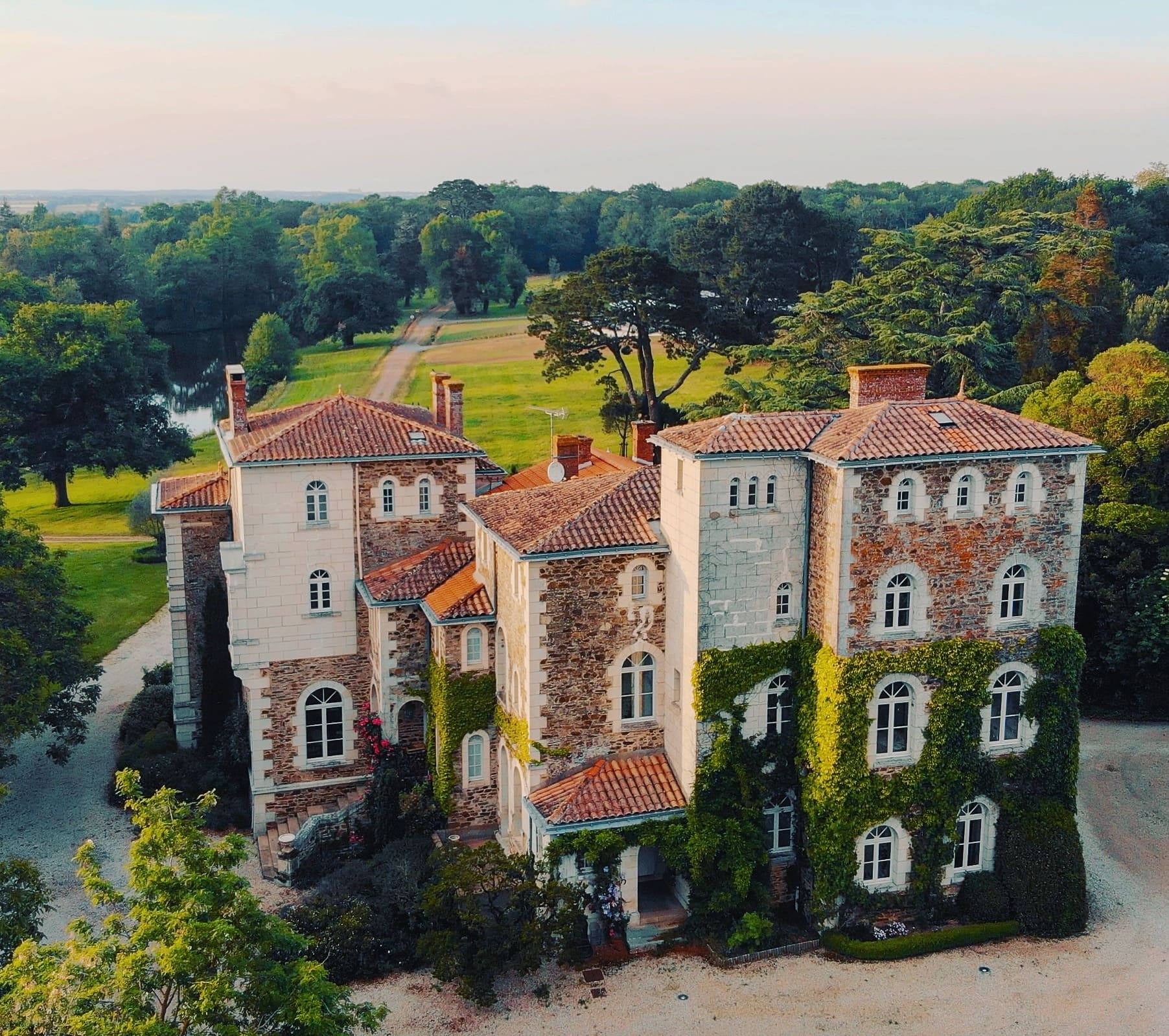
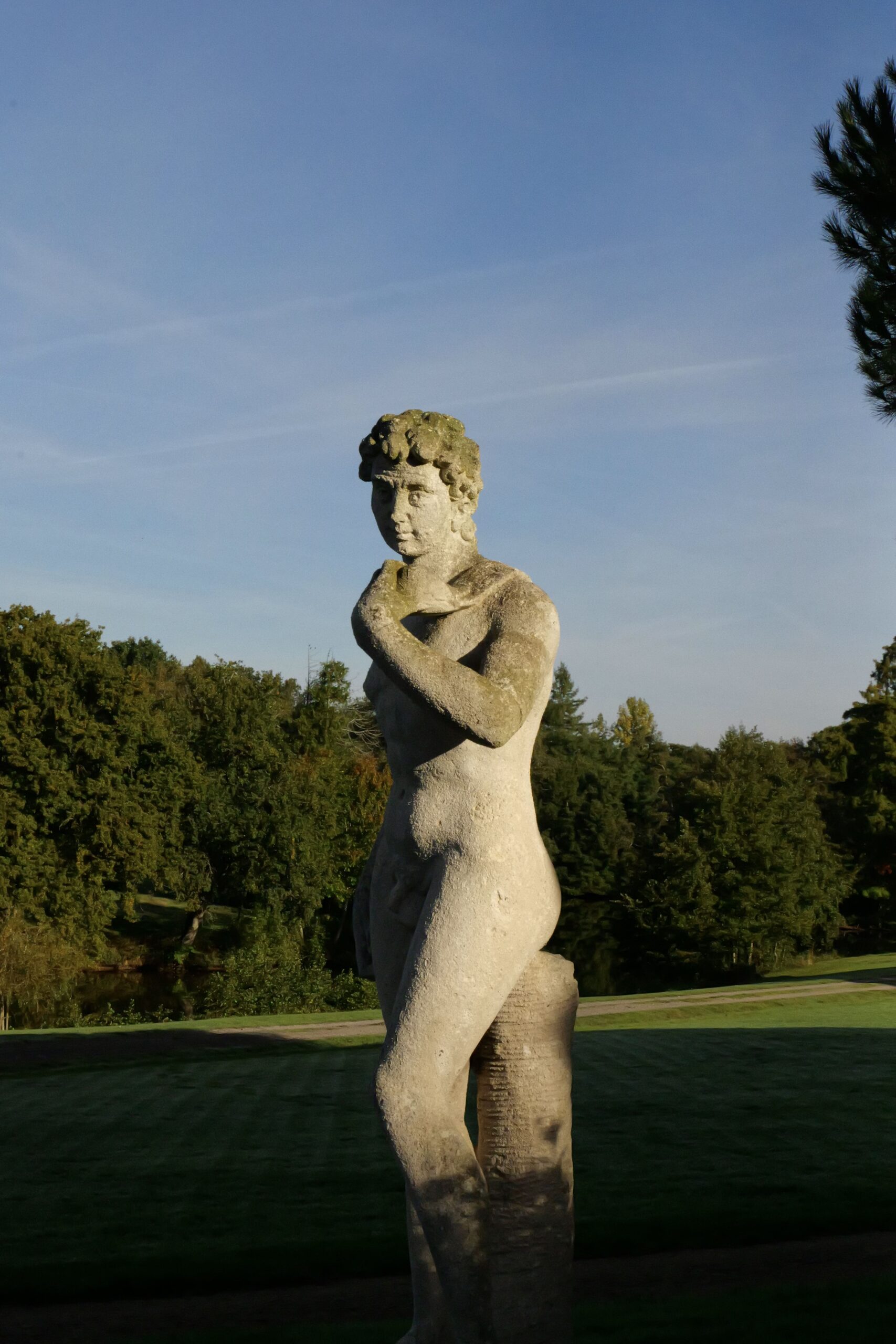
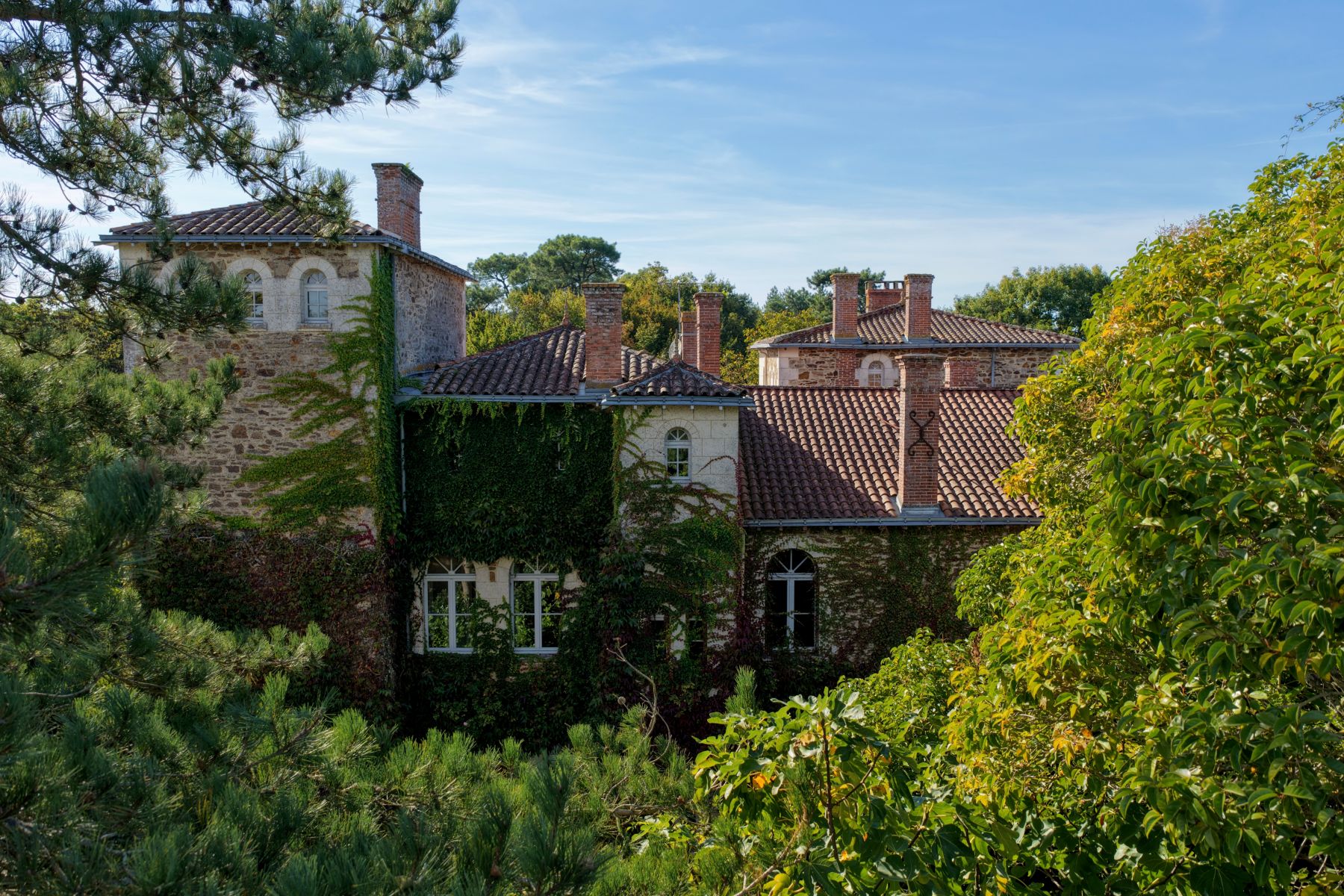
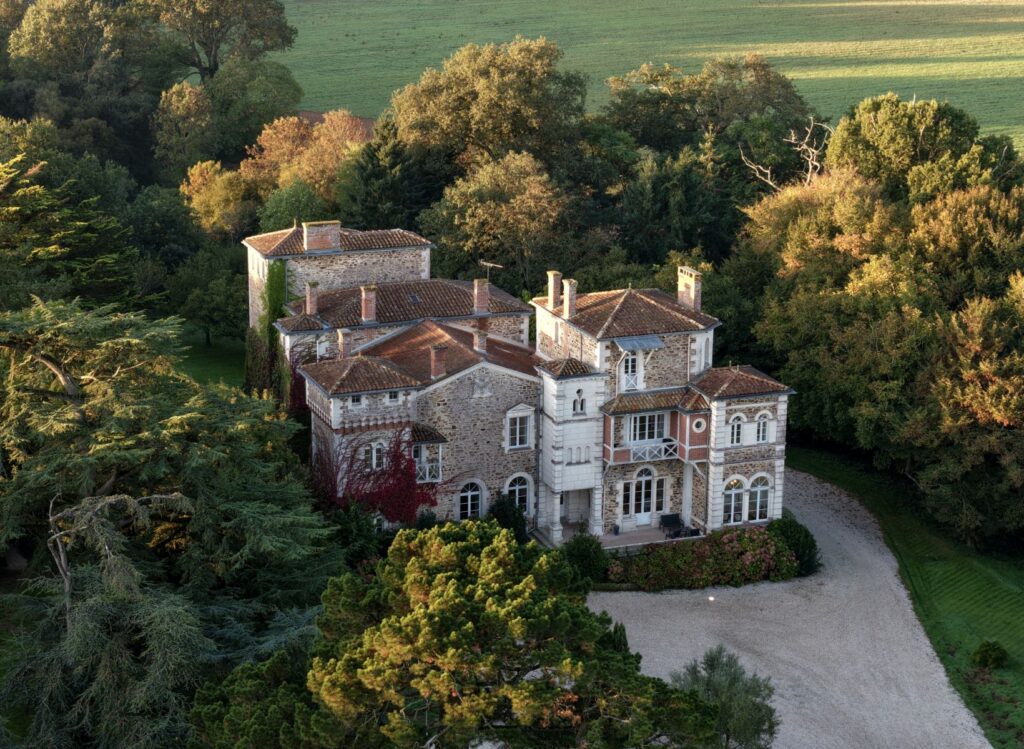
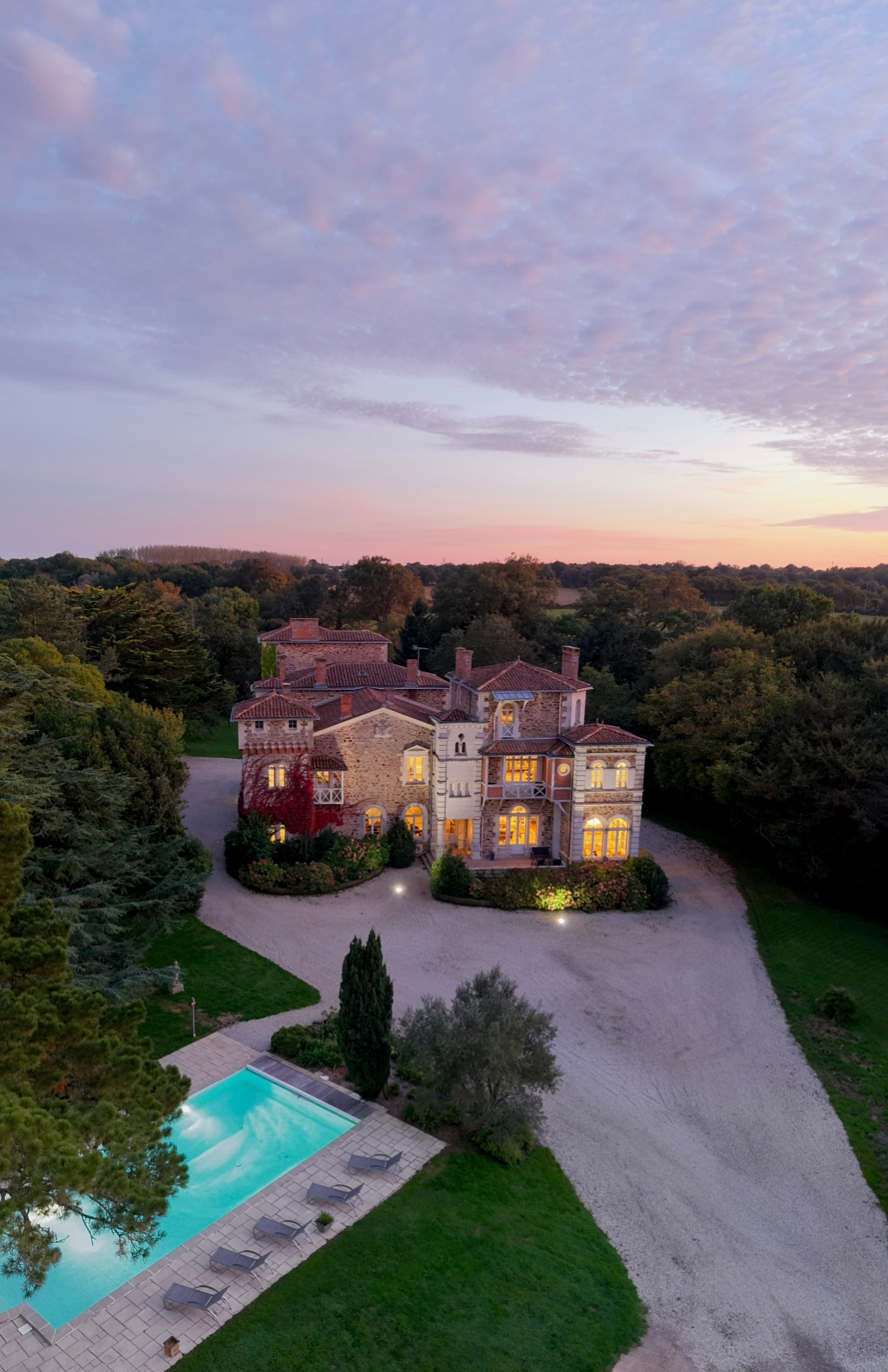
In 1880, l'ÉTABLIÈRE changed its destiny. Offered to Jeanne de Beaumont for her marriage to Monsieur de Cougny, the farmhouse became the setting for an outrageous project. Driven by love, her husband had a Tuscan palace built, inspired by romantic Italy. Elegant architecture, refined decor and symbolic details create an extraordinary residence.
In 1919, the estate entered a new era when it came into the hands of the Villemain family. For two generations, they patiently shaped the landscape, making a major contribution to the development of the forest and the natural balance of the site. During this period, the estate became deeply rooted in its environment, reinforcing its landscape identity and preserved character.
Renaissance of an extraordinary place
Bought by the Dubreuil family in 2006, the Domaine de l'ÉTABLIÈRE is undergoing a complete renaissance. The Palace has been completely renovated, combining modern comfort with respect for its heritage. The pond, forest and grounds have been carefully restored, revealing a remarkable biodiversity. The place is back to its former glory, ready to open up to new uses and new stories.
Creation of the Orangery
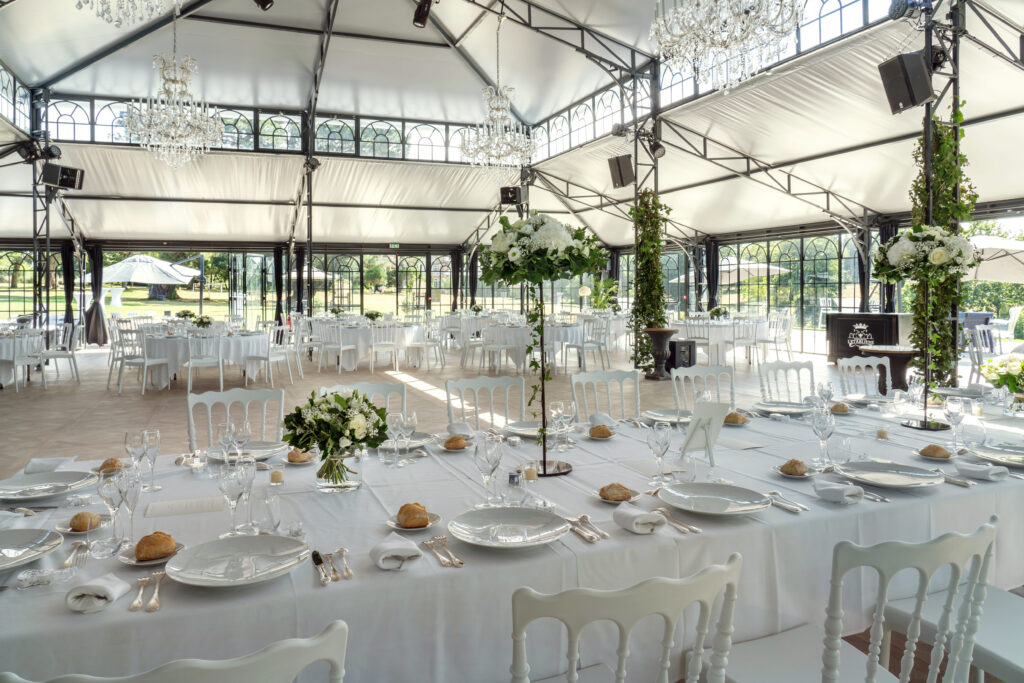
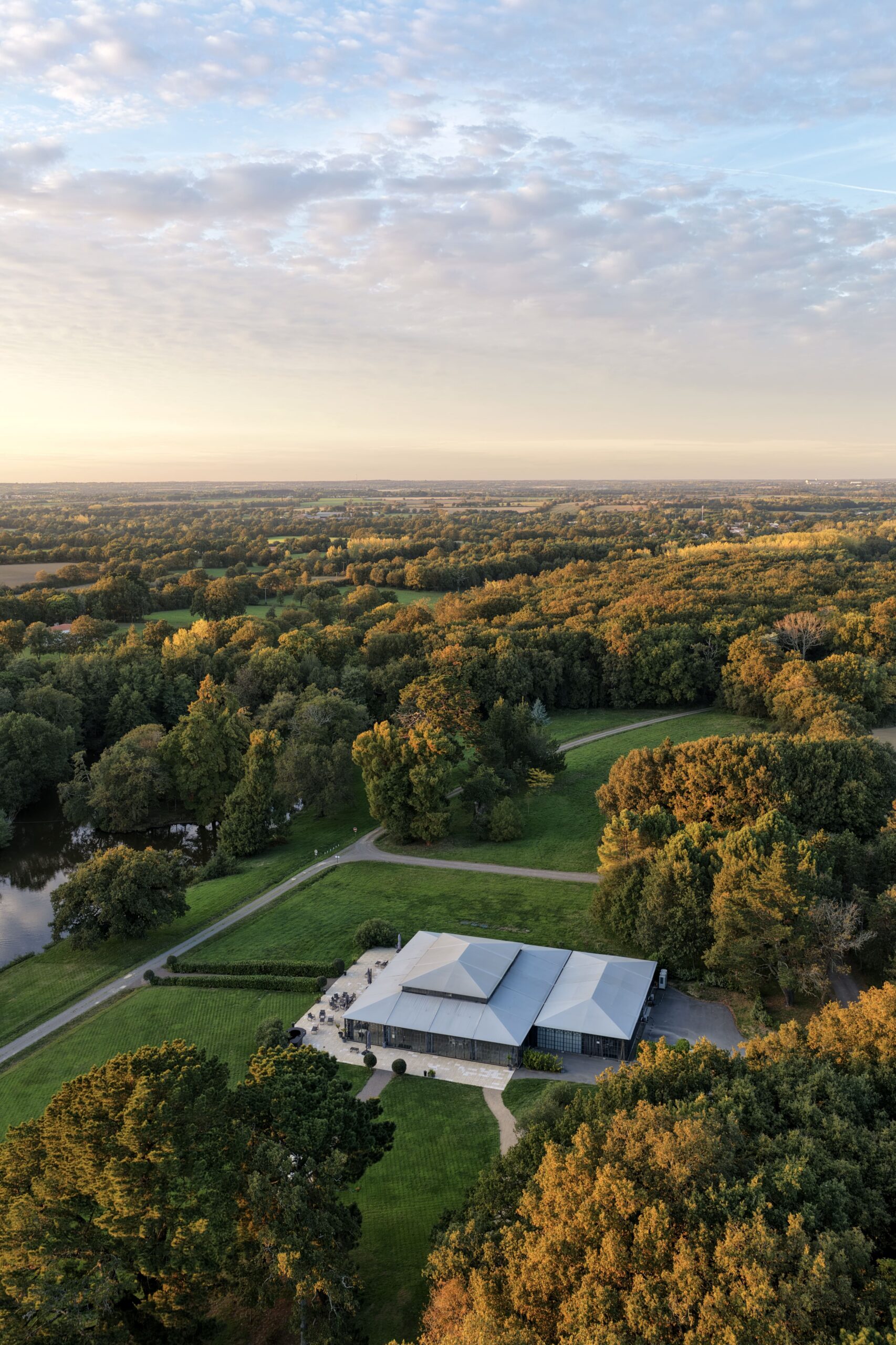
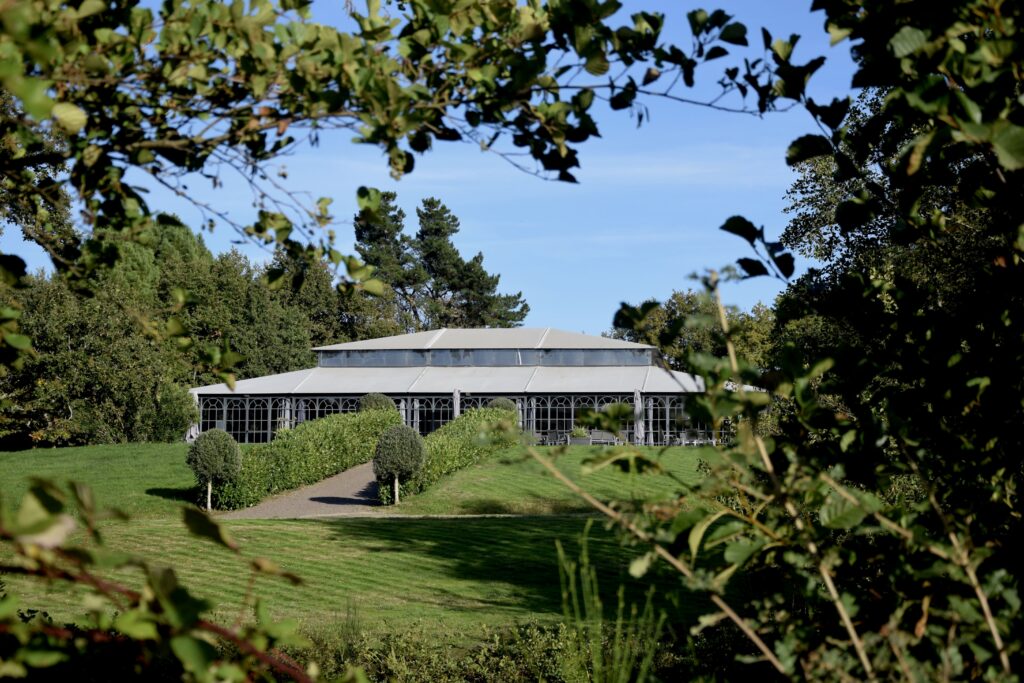
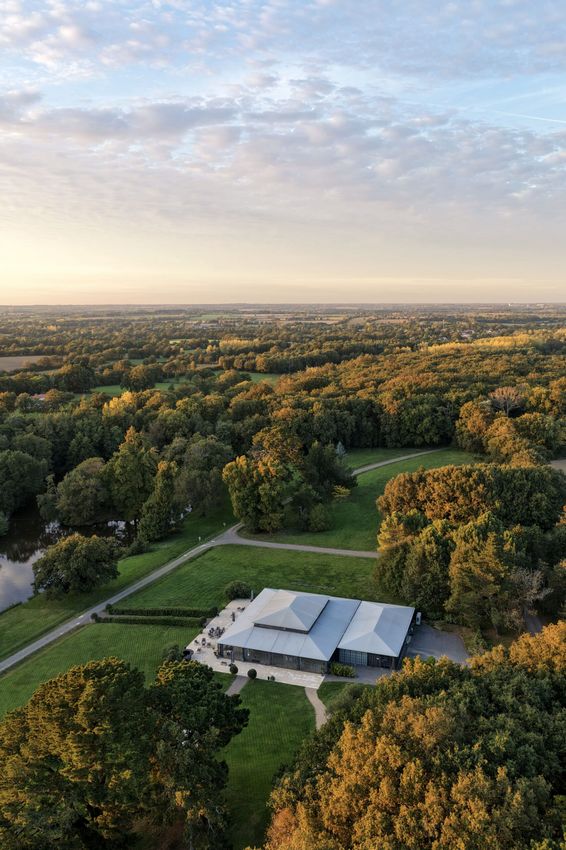
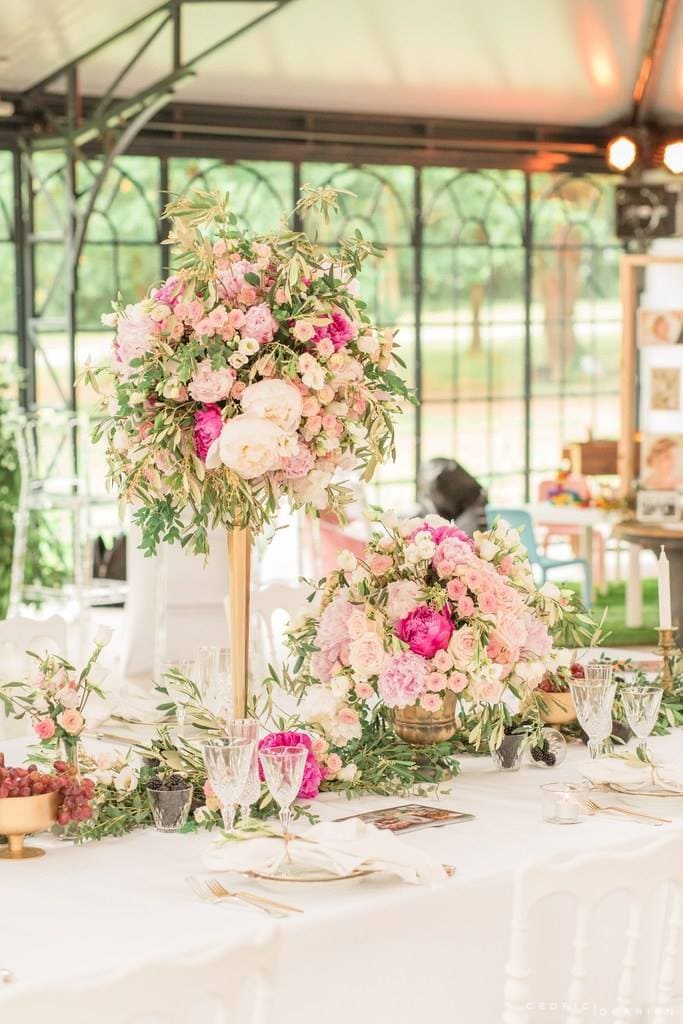
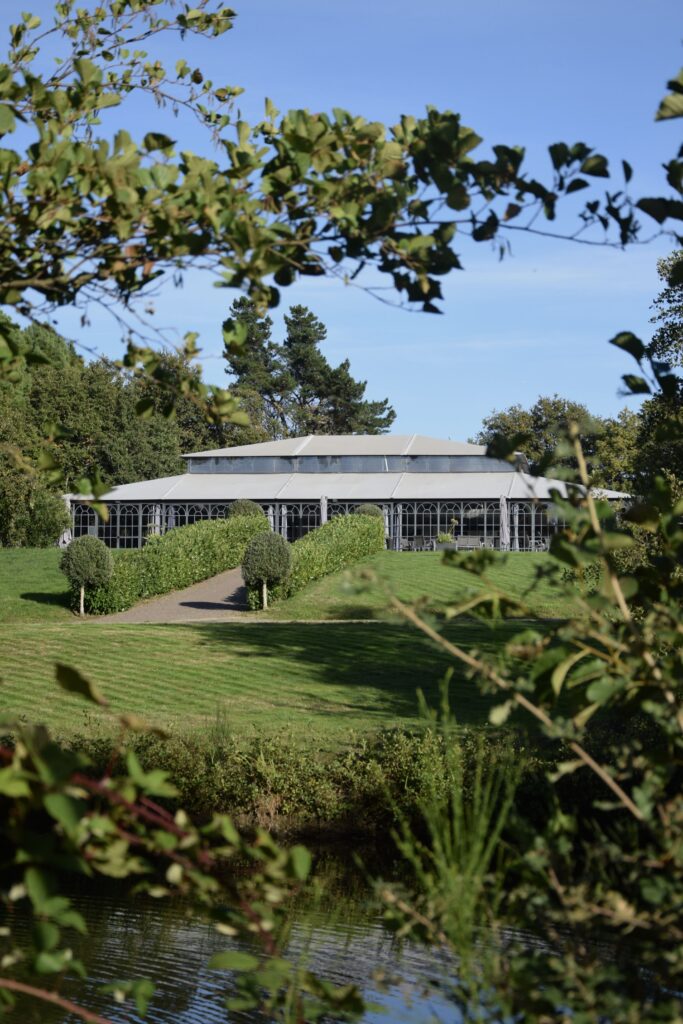
In 2018, the Dubreuil family began a new phase in the history of the estate with the creation of a 500 m² Orangery. Designed to support a natural evolution towards hosting events, it opens up the site to new privatisation possibilities, combining elegance, modularity and the art of entertaining.
A reinvented art of living
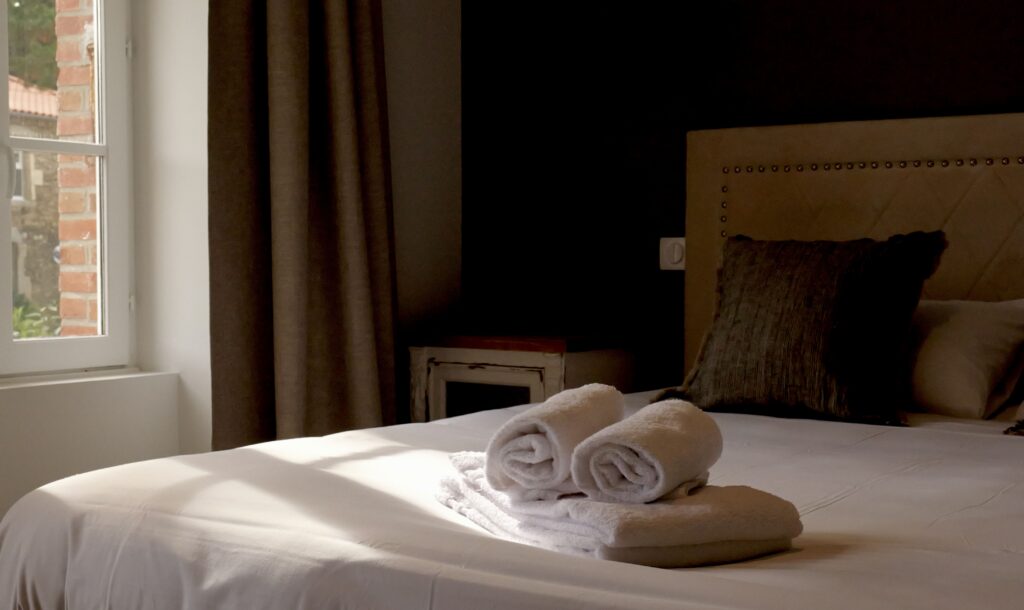
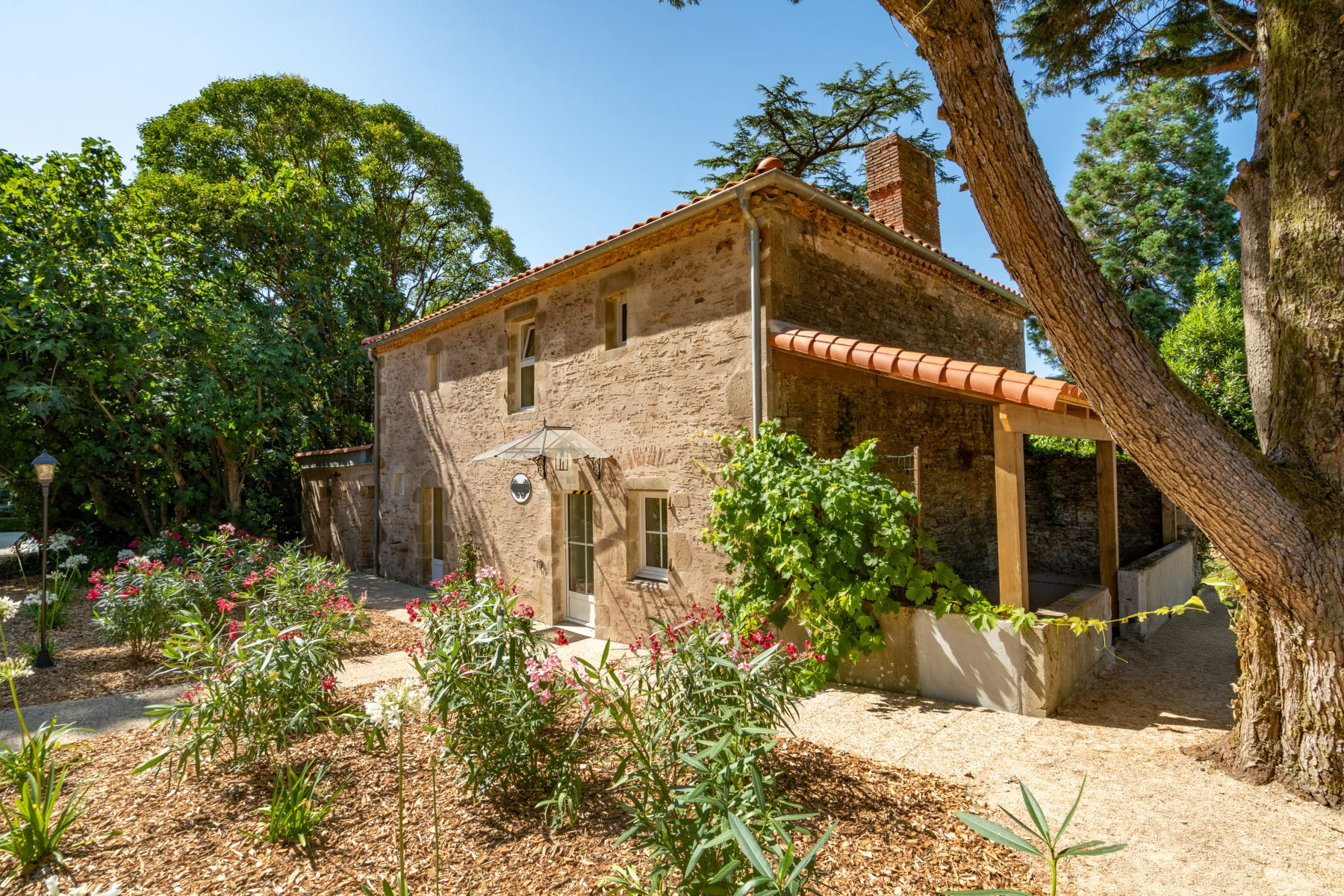
Today, l'ÉTABLIÈRE continues to evolve with the renovation and creation of the Hameau and its cottages. Designed to accommodate rural breaks and intimate events, these accommodations combine rural charm with top-of-the-range services. More than ever, the Domaine is a place where people can share their emotions and enjoy the good life, in tune with the times.
The origins
an exceptional place
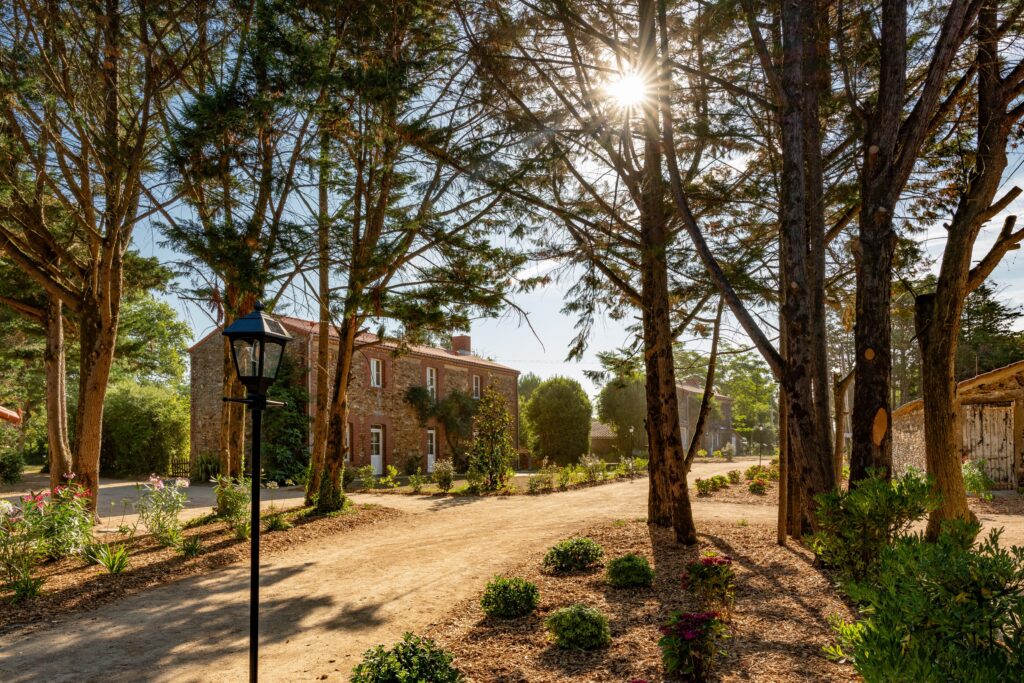
In the early 19th century, l'ÉTABLIÈRE was a farm belonging to Marc-Antoine de Beaumont, then Mayor of Talmont Saint Hilaire. It was the heart of life for several farms in the surrounding area. Today, you can still see the bread oven, the wine press, the stables and the cowshed, which provided for the daily needs of the farmers and the owner.
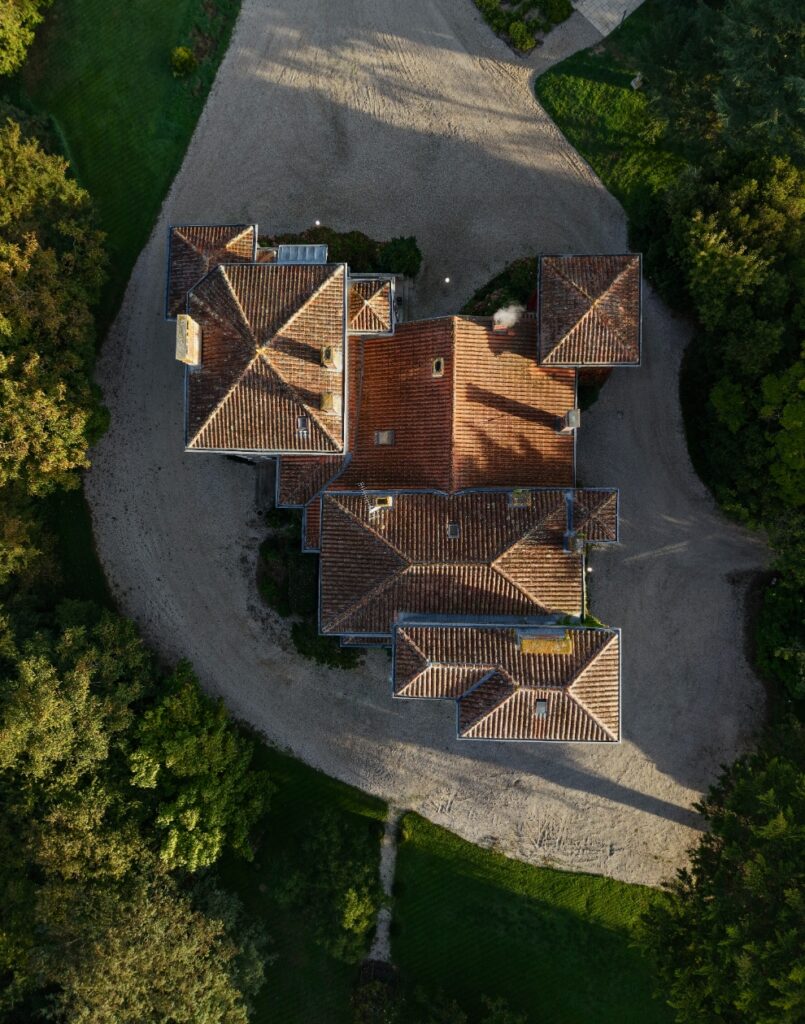
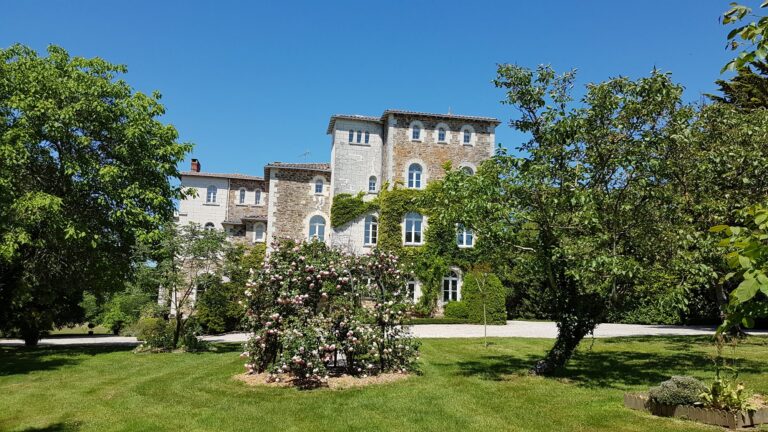
Monsieur de Beaumont gave the property to his daughter Jeanne when she married Mr de Cougny on 9 February 1880. Mr de Cougny, head over heels in love with his charming wife, couldn't resist giving her a new home in the Italian style that was so fashionable at the time. He had the original house demolished, of which only the cellars remain today, and had a reproduction of a Tuscan palace built.
Romanticism
in the skin
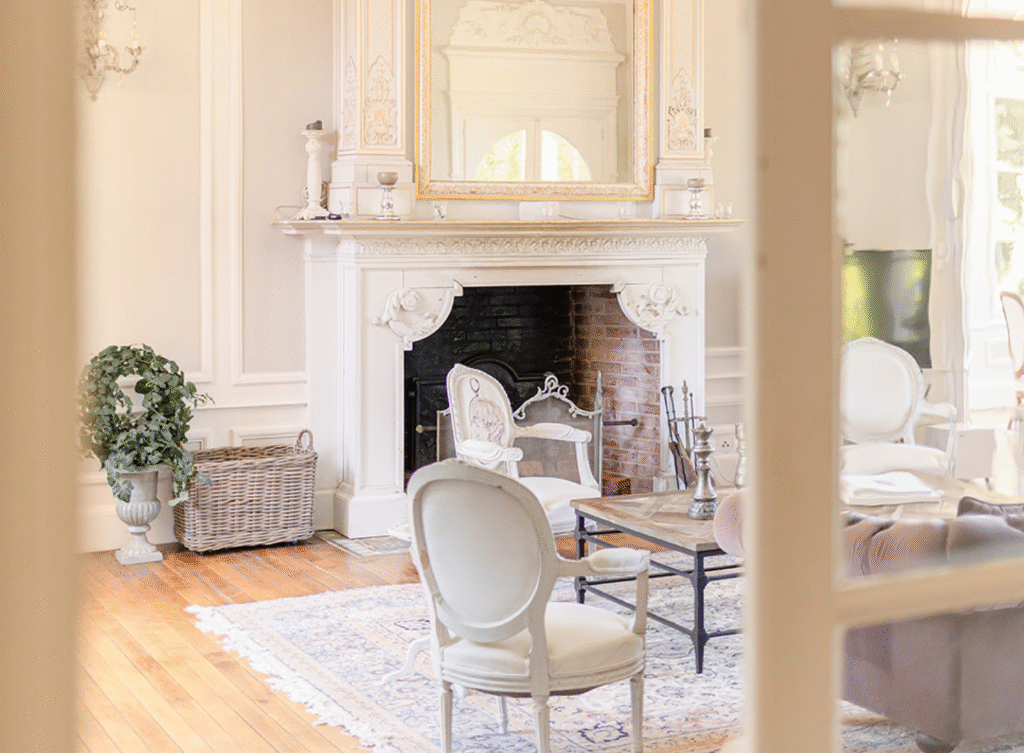
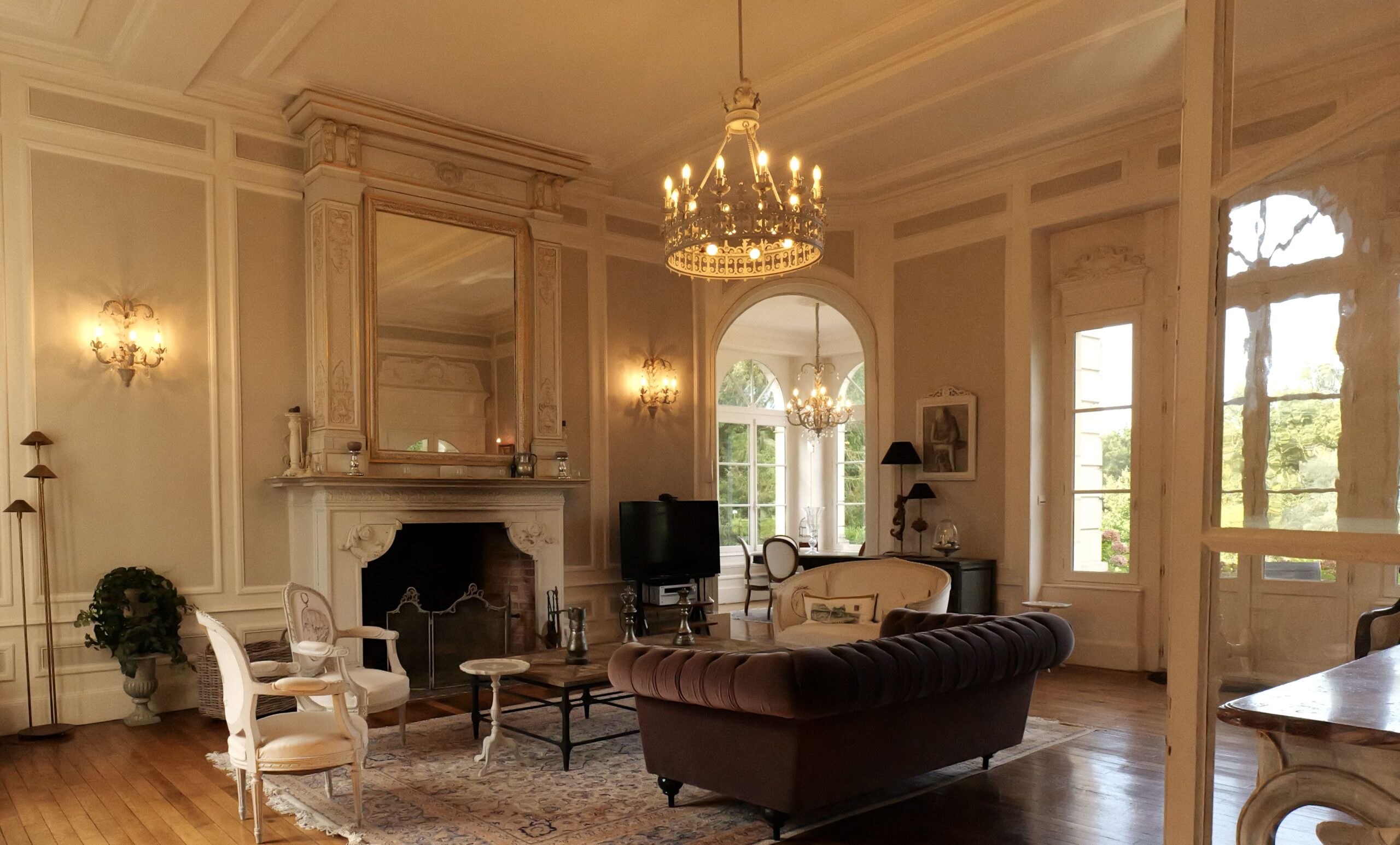
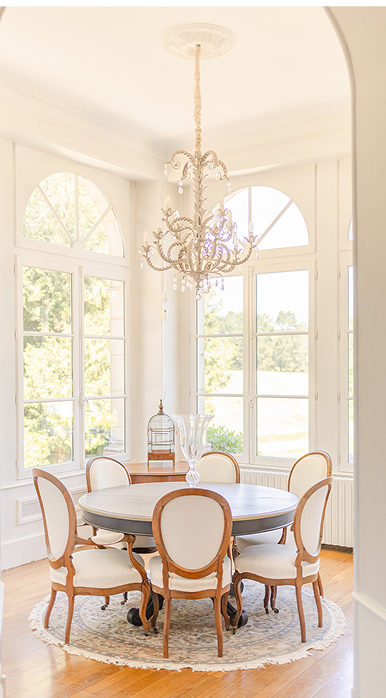
Nothing was too good for her. At a time when there was a tax on windows (abolished in 1926), no fewer than 99 round-headed windows were created, and the ceilings were built in cloisonné and hand-painted with Jeanne de Beaumont's coat of arms. The woodwork was created by English cabinetmakers, who even carved her sweetheart's face on the pediment of the dining room door.
Jeanne was apparently not lacking in charm. The story goes (not verifiable, of course) that the village priest also succumbed to it.
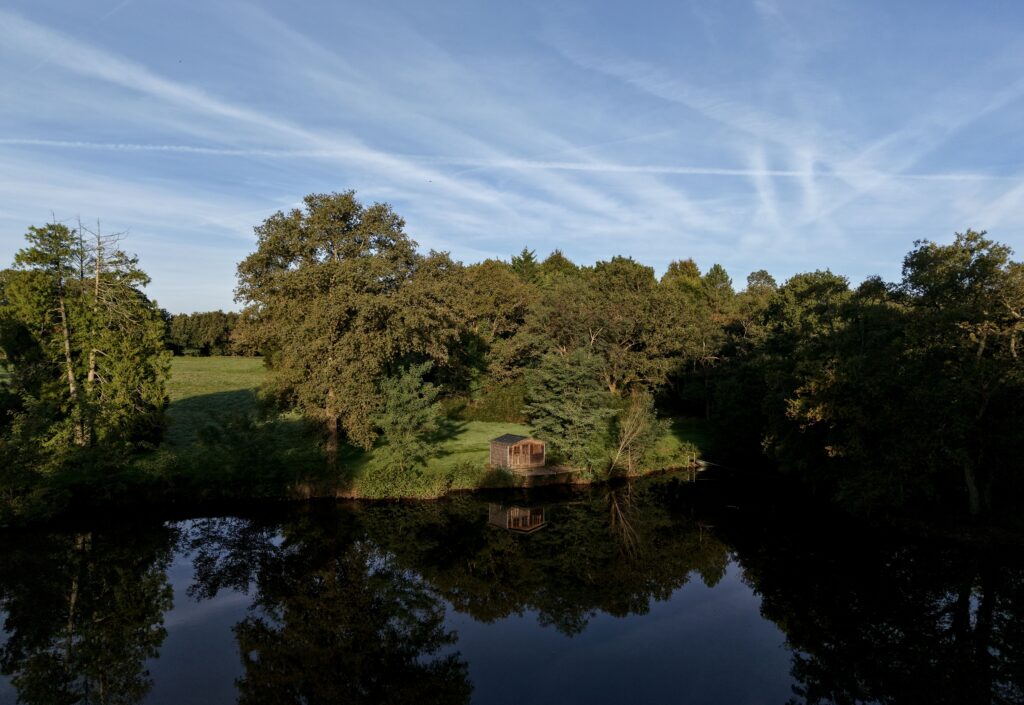
A one-hectare pond was dug using only men and wheelbarrows. An English park was designed with rare and varied tree species.
Finally, a Latin maxim was inscribed in the stone on the north façade: «non inferiora sequntur», a maxim full of hope that can be translated as follows: «the best is yet to come».»
L'ÉTABLIÈRE was sold in 1919 to the Villemain family, who kept the estate for two generations. They made a major contribution to planting the forest with a rich variety of species.
the Domaine de l'ÉTABLIÈRE
today
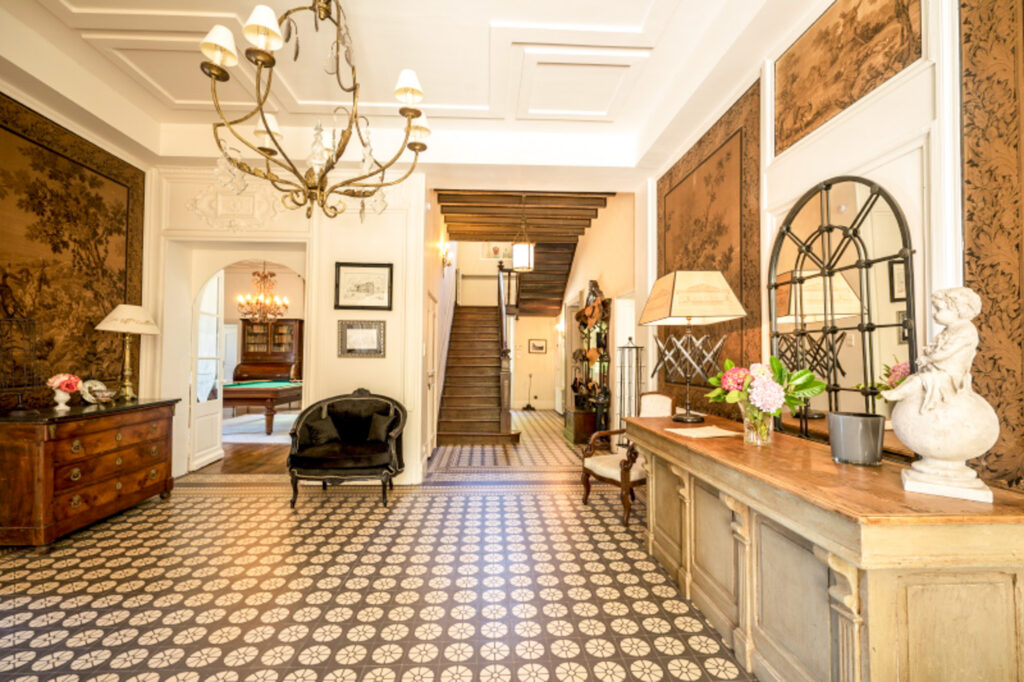
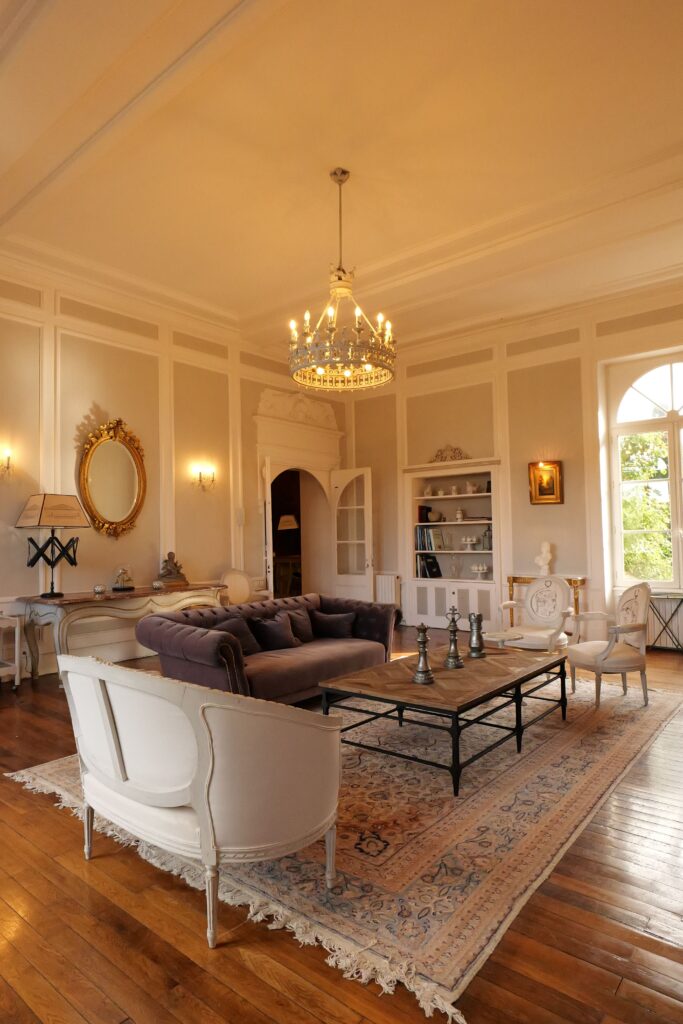
Sold privately to the Dubreuil family in 2006, the site has been completely renovated. The château has been equipped with all modern comforts. For the record, no fewer than 10 tonnes of radiators were installed, and 99 windows changed... It has been completely redecorated, while preserving historic features such as the huge tapestries in the entrance hall.
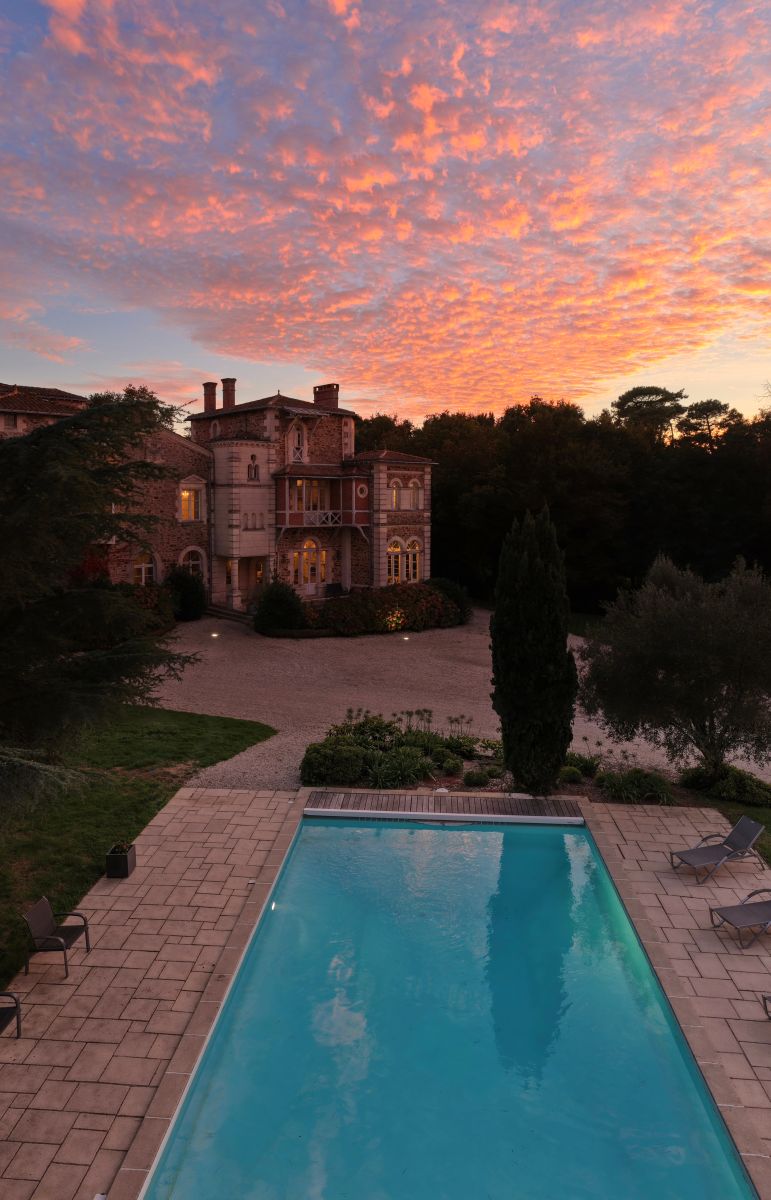
The pond was drained and stocked, the forest inventoried, pruned and replanted, and the mushrooms inventoried - no fewer than 100 species, including 5 unknown in the Vendée. The outside areas were redesigned with the creation of an orchard, a swimming pool, etc.
Today, it is offering to rent out the Estate, sharing this magical place with the Hameau, to accommodate your guests, and to open a 500m² Orangery. Inspired by Baltard architecture, the Orangery boasts an exceptional view over the estate and is ideal for family and business events.